Pakistan Journal of Food Sciences
An official publication of the Pakistan Society of Food Scientists and Technologists (PSFST)

ISSN (Print): 1605-2552 | ISSN (Online): 2226-5899
The increasing prevalence of multidrug-resistant (MDR) pathogens has become a critical global health challenge, rendering conventional antibiotics less effective. Traditional medicinal systems have long employed spices for their antimicrobial properties, prompting modern research to investigate their potential against drug-resistant infections. Key spices such as Curcuma longa (turmeric), Cuminum cyminum (cumin), Syzygium aromaticum (clove), Cinnamomum spp. (cinnamon), Nigella sativa (black seed), Zingiber officinale (ginger), and Allium sativum (garlic) have demonstrated significant efficacy against various MDR pathogens. This review consolidates and analyzes published research on the antimicrobial activity of these spices against MDR human pathogens, providing a foundation for future therapeutic development. A comprehensive literature review synthesized data from multiple high-impact studies to evaluate the current evidence on spice-derived antimicrobial agents. Relevant studies were systematically reviewed, extracting and summarizing key findings to highlight the mechanisms of action, bioactive compounds, and potential clinical applications of these spices. The reviewed evidence supports the potential of spice-derived phytochemicals as alternative or adjunct therapies against MDR infections, warranting further investigation into their pharmacological optimization and clinical use.
MDR, Spices, Bioactive components, Turmeric, Cinnamon, Cumin
Graphical abstract
Introduction
The emergence of antimicrobial resistance (AMR) among microorganisms has been documented since the early use of antimicrobial substances. Following the discovery of penicillin and sulfa drugs, antibiotics became widely utilized in medicine, but their misuse, overuse, and inappropriate prescribing have accelerated the development of resistant strains (Uddin et al., 2021; Patangia et al., 2022). Microorganisms exhibiting resistance to three or more antibiotic classes are classified as multidrug-resistant (MDR), posing a significant threat to global health (Catalano et al., 2022).
Among the most concerning MDR pathogens are the ESKAPE group (Enterococcus faecium, Staphylococcus aureus, Klebsiella pneumoniae, Acinetobacter baumannii, Pseudomonas aeruginosa, and Enterobacter spp.), which are major contributors to nosocomial infections. Clinically significant MDR isolates include methicillin-resistant S. aureus (MRSA), vancomycin-resistant enterococci (VRE), and carbapenem-resistant Enterobacteriaceae (Koulenti, Fragkou & Tsiodras, 2020). The World Health Organization (WHO) has warned that without immediate intervention, the post-antibiotic era, where common infections become untreatable, may soon become a reality (Basak, Singh & Rajurkar, 2016).
Conventional antibiotics such as penicillin and cephalosporin are increasingly ineffective against MDR pathogens (Meade, Slattery & Garvey, 2020). This has spurred research into alternative therapeutic strategies, including plant-derived compounds with antimicrobial properties (Liu, 2021). Traditional medicine has long employed medicinal plants for infection treatment, with many demonstrating efficacy due to their bioactive phytochemicals (Mans & Irving, 2019; Anand et al., 2020). Notably, spices—aromatic plant parts used for flavoring and preservation—contain secondary metabolites that may counteract microbial resistance mechanisms (Khare et al., 2021).
Spices, widely recognized for their distinctive flavors and aromatic properties, serve as fundamental components in curry formulations (Singh & Ningthoujam, 2025). Spices such as Curcuma longa (turmeric), Cuminum cyminum (cumin), Syzygium aromaticum (clove), and Zingiber officinale (ginger) exhibit broad-spectrum antimicrobial activity, including against MDR strains (Zhang et al., 2019). Their bioactive components (e.g., polyphenols, flavonoids, and alkaloids) disrupt bacterial efflux pumps, cell wall synthesis, and biofilm formation. Some spice extracts demonstrate lower minimum inhibitory concentrations (MICs) than standard antibiotics, suggesting their potential as adjunct or replacement therapies (Tamokou, Mbaveng & Kuete, 2017). Therefore, spices have also been investigated for their potential as food preservatives (Sulieman et al., 2023). Another approach is nano-formulated phytochemicals derived from spices that can overcome delivery challenges while exhibiting antimicrobial efficacy against multidrug-resistant (MDR) pathogens. Their incorporation into traditional Indian diets may further enhance therapeutic potential (Chakravorty et al., 2020).
This review consolidates evidence on spice-derived antimicrobials, highlighting their mechanisms and therapeutic potential against MDR pathogens.
This review aims to:
Systematically evaluate the antimicrobial potential of medicinal spices against MDR pathogens
Analyze the mechanisms by which spice-derived phytochemicals overcome microbial resistance
Assess the therapeutic viability of spice compounds as alternatives or adjuncts to conventional antibiotics
The diminishing efficacy of β-lactams, cephalosporins, and other mainstay antibiotics against MDR pathogens (Meade, Slattery & Garvey, 2020) has necessitated exploration of alternative treatment strategies. Traditional medicinal systems have long utilized plant-derived compounds, with contemporary research validating their antimicrobial potential (Liu, 2021; Mans & Irving, 2019). Notably, spices - the aromatic seeds, bark, roots, or fruits of plants used for seasoning - contain bioactive metabolites that may disrupt microbial resistance mechanisms (Khare et al., 2021).
Emerging evidence suggests that spices such as Curcuma longa (turmeric), Cuminum cyminum (cumin), and Syzygium aromaticum (clove) demonstrate potent activity against MDR strains through multiple mechanisms, including efflux pump inhibition and biofilm disruption (Zhang et al., 2019). Their bioactive components, particularly polyphenols and flavonoids, often exhibit lower minimum inhibitory concentrations than conventional antibiotics against resistant pathogens. This review synthesizes current knowledge on spice-derived antimicrobials, evaluating their potential to address the growing AMR crisis.
Methodology
Literature Search Strategy
The authors conducted a comprehensive systematic review of the scientific literature to evaluate the antimicrobial potential of spices against multidrug-resistant (MDR) pathogens. Our search encompassed peer-reviewed articles published from 2012 to 2025, with the majority (95%) from 2014-2025, retrieved from the PubMed/MEDLINE, ScienceDirect, SpringerLink, Nature Portfolio, Taylor & Francis Online, Hindawi and NCBI databases.
Search Protocol
The search strategy employed the following key terms and their combinations:
Primary terms: "spices", "herbal antimicrobials", "plant-derived antimicrobials"
Resistance terms: "multidrug resistant pathogens", "antimicrobial resistance", "MDR"
Mechanism terms: "efflux pump inhibitors", "biofilm disruption", "resistance modulation"
Inclusion Criteria
Original research articles and review papers published in English
Studies demonstrating measurable antimicrobial effects against clinically relevant MDR pathogens
Research focusing on spice-derived compounds and their mechanisms of action
Publications with clearly defined methodology and results
Visual Representation
Scientific illustrations were created using BioRender.com to:
Depict molecular mechanisms of action
Visualize key phytochemical structures
Summarize resistance modulation pathways
Quality Assessment
Selected studies were evaluated based on:
Sample size adequacy
Reproducibility of methods
Statistical significance of results
Clinical relevance of findings
Multidrug-Resistant Human Pathogens: A Global Health Crisis
The escalating burden of antimicrobial resistance presents a critical challenge to global public health. Recent epidemiological data indicate that drug-resistant infections contribute to approximately 700,000 annual deaths worldwide, with projections suggesting this number could rise to 10 million by 2050 if current trends continue (Dadgostar, 2019; Antimicrobial Resistance Collaborators, 2022). The clinical impact of these pathogens is particularly severe in healthcare settings, where they account for nearly 40% of nosocomial infections (WHO, 2021).
Table 2: MDR human pathogens
| Sr. No. | Diseases | Resistant Antibiotics | References |
|---|---|---|---|
| 1. | Mostly skin infections, osteomyelitis, pneumonia, meningitis, empyema and lung abscess | Methicillin, amoxicillin, oxacillin, cephalosporins and resistant to almost all classes of antibiotics | (Algammal et al., 2020; Vestergaard, Frees and Ingmer, 2019; Assis, Nedeljković and Dessen, 2017) |
| 2. | Urinary tract infections, bacteraemia, hospital acquired infections, sepsis, surgical site infections, meningitis | Amoxicillin, cefuroxime, ceftriaxone and other common antibiotics | (Benavides et al., 2022; Hon et al., 2022) |
| 3. | Pneumonia, bloodstream infections, surgical site infections and urinary tract infections | Aminoglycosides, quinolones, beta-lactams, ciprofloxacin, and other common antibiotics | (Heimesaat et al., 2019; Pang et al., 2019; Kunz Coyne et al., 2022; Botelho, Grosso and Peixe, 2019) |
| 4. | Hospital acquired infections, surgical site infections, bacteraemia, urinary tract infections and root canal infections | Macrolides, penicillins, vancomycin, cephalosporins | (Esmail, Abdulghany and Khairy, 2019; Farman et al., 2019; El-Telbany et al., 2021) |
| 5. | Pneumonia, septicaemia, burn and urinary tract infections, meningitis, pyogenic liver abscess | Carbapenems, penicillins, cephalosporins, Ciprofloxacin, amikacin |
(Farhadi et al., 2021; Awoke et al., 2021; Popa et al., 2021) |
| 6. | Septicaemia, endocarditis, pneumonia, urinary tract infections, wound, meningitis. | Aminopenicillins, cephalosporins, chloramphenicol, tetracyclines | (Almaghrabi et al., 2018; Weinberg et al., 2020; Jiang et al., 2021) |
| 7. | Candidemia, disseminated and abdominal candidiasis, hospital acquired infections | Fluconazole, echinocandin | (Dhasarathan et al., 2021; Murphy and Bicanic, 2021) |
| 8. | Respiratory tract infections, eye infections, wound infections, urinary tract infections, gastrointestinal tract infections | Penicillins, carbapenems, cephalosporins | (Li et al., 2022; Korytny et al., 2016; Algammal et al., 2021) |
| 9. | Extra oral infections, endocarditis, dental caries | Bacitracin, penicillin, tetracycline, cotrimoxazole | (William et al., 2012; Jiang et al., 2017; Nagasawa et al., 2020; Yadav et al., 2015) |
| 10. | Nosocomial infections, endocarditis, surgical site infections, central venous line associated bloodstream infections | Methicillin, clindamycin, fusidic acid, fluoroquinolones, trimethoprim/sulfamethoxazole, oxacillin, gentamycin, and erythromycin | (Eladli et al., 2019; Lee et al., 2018; Xu et al., 2020; European Centre for Disease Prevention and Control, 2018) |
Spices
Following spices in Table 3, according to a number of research studies, have shown effectiveness against MDR human pathogens:
Table 3: Spices and their antimicrobial effects on MDR human pathogens.
| Sr. No | Spice | MDR human pathogens against which spice acts | Mechanisms of action | References |
|---|---|---|---|---|
| 1 | Curcuma longa Turmeric |
Acinetobacter baumannii, MRSA, Enterobacteriaceae, Candida albicans, E. faecalis, P. aeruginosa, S. marcescens, S. mutans, P. mirabilis, S. epidermidis | It involves the disruption of structures like membrane morphology, depleting protein motive forces, altering the fatty acids of membranes, causing the production of reactive oxygen species, disrupts the normal protein functioning, and also inhibits the nucleic acid synthesis. | (Zhang et al., 2019; Etemadi et al., 2021; Adamczak, 2020; Betts et al., 2016; Betts and Wareham, 2014) |
| 2 | Cuminum cyminum Cumin |
Escherichia coli, Staphylococcus aureus, Candida albicans, Pseudomonas aeruginosa and Klebsiella pneumoniae | It inhibits the efflux pump activity. | (Tshabalala, Kabelinde, KAPTCHOUANG TCHATCHOUANG, et al., 2021) |
| 3 | Cinnamomum spp. | P. aeruginosa, S. enteritidis, E. coli, E. faecalis, K. pneumoniae and various strains of S. aureus | Phenolic compounds exhibit strong antibacterial activity by destroying cell membrane morphology, altering membrane fatty acids causing reactive oxygen damage. | (Zhang et al., 2019) |
| 4 | Nigella sativa Black cumin |
Proteus mirabilis, P. aeruginosa, A. baumannii, S. epidermidis, S. aureus, and MRSA. | Thymoquinones present in N. sativa seeds has shown to inhibit the efflux pump mechanism of microbes and also inhibit the penicillin binding protein responsible for Staphylococcus resistance mechanism | (Aziz, Salih and Hamachawash; Abdallah, 2017; Jahan et al., 2018) |
| 5 | Syzygium aromaticum Clove |
P. aeruginosa, S. aureus, Salmonella enteritidis, E. coli, Enterococcus faecalis, Proteus mirabilis, Klebsiella pneumonia, Pseudomonas aeruginosa, Vancomycin resistant S. aureus, ESBL, metallo-beta lactamase and AmpC beta-lactamase producing gram-negative and gram-positive bacterial pathogens | Eugenol produces cell cytotoxicity because of production of reactive oxygen species that cause the disruption of cell membrane and ultimately cell death. It is also active against bacterial enzymes such as histidine carboxylase, protease, ATPase and amylase. | (Zhang et al., 2019; Vijayalakshmi, 2020; Tshabalala et al., 2021; Jahan et al., 2018; Marchese et al., 2017) |
| 6 | Zingiber officinale Ginger |
Bacillus spp., E. coli, Enterococcus spp., E. faecalis, P. aeruginosa | 6-gingerol of ginger is known to interfere with R-plasmid transfer ability. 6-gingerol and 6-shogaol interfere with the plasmid DNA transfer and replication process thus causing the inhibition of bacterial conjugation. | (Zhang et al., 2019 Karuppiah and Rajaram, 2012; Aghazadeh et al., 2016; Oyedemi et al., 2019) |
| 7 | Allium sativum Garlic |
E. coli, P. aeruginosa, Proteus sp., S. aureus, Bacillus sp., Enterobacter sp. | Allicin inhibits various enzymes of microbes such as RNA polymerase, alcohol dehydrogenase, DNA gyrase and also inhibits the DNA and protein synthesis. | (Aziz, Salih and Hamachawash, 2019; (Ramos et al., 2021; Bruns et al., 2017; Jubair et al., 2021) |
| 8 | Myristica fragans Nutmeg |
E. coli, E. aerogenes, K. pneumoniae, P. stuartii, E. cloacae, P. aeruginosa, S. aureus, P. mirabilis, E. faecalis | Eugenol and other flavonoids present in nutmeg are responsible for antimicrobial activity. Have intracellular target by acting on efflux pumps. | (Marchese et al., 2017; Dzotam et al., 2018) |
| 9 | Ocimum gratissimum Clove basil |
S. aureus, K. pneumoniae | Phytochemicals cause the inhibition of growth of microbes by enhancing the permeability of cell membrane and cell wall. Among them eugenol is the main phenolic bioactive component that causes the production of reactive oxygen species, alteration in membrane fatty acids. | (Ojokoh, 2019), Pandey, 2017; (Marchese et al., 2017) |
| 10 | Elettaria cardamomum Cardamom |
S. aureus, P. aeruginosa, E. coli C. albicans |
Various bioactive components such as flavonoids, quinones, polyphenols cause the change in cell morphology, cytoplasm displacement due to alteration in membrane structure. | (Radhakrishnan et al., 2015; Chaudhary et al., 2019; Yassin et al., 2022) |
Figure 2: Spices against MDR human pathogens
Curcuma longa (Turmeric)
Turmeric is the product of the plant Curcuma longa, which belongs to the family Zingiberaceae, which is widely cultivated and used in Asian countries. It is being the heart of many cuisines, is considered a golden spice, and has been used in many Asian countries since ancient times. It is not only used as a spice but also for various clinical purposes due to the presence of many bioactive components such as curcumin (Ahmad et al., 2020). In ancient times, it was used to treat skin diseases, wounds, respiratory ailments, eye infections, digestive and dental disorders (Rolfe et al., 2020).
Turmeric has various phytochemicals, including curcuminoids, of which curcumin is the well-studied, a polyphenol, and has been shown to target multiple signalling molecules and works at the cellular level (Hewlings and Kalman, 2017).
Curcuma longa, due to the presence of curcumin along with other bioactive components, also exhibits antimicrobial properties against multidrug-resistant bacteria, including Acinetobacter baumannii, MRSA, Enterobacteriaceae, Candida albicans, E. faecalis, P. aeruginosa, Streptococcus marcescens, Streptococcus mutans, Proteus mirabilis, and Staphylococcus epidermidis are the main targets of curcumin according to many research studies (Table 3).
Research has been done which includes the effect of turmeric extract alone and in synergy with other antimicrobial agents, which enhances its effects. The curcumin being a phenolic compound of turmeric, showed the antimicrobial activity against multidrug resistant S. aureus, according to the work of Zhang et al. (2019), The Combination of curcumin and epigallocatechin gallate has shown activity against MDR A. baumannii. The addition of epigallocatechin gallate to curcumin reduced the MIC value up to 3-7 fold, according to Betts and Wareham, (2014). The epigallocatechin gallate is the phenolic compound of green tea and shows synergy with curcumin of Curcuma longa. According to Adamczak et al.,(2020), curcumin has strain-specific activity and shows antimicrobial activity against the multidrug-resistant isolates of S. aureus (MRSA), , E. coli, Streptococcus haemolyticus, and P. mirabilis.
Curcumin, when in combination with polymyxin B, has shown synergy against MDR pathogens. According to the research work of Betts et al. (2016), the complete cell death of the tested MDR strains was observed between 4 and 6 hours when they used the combination of curcumin and antibiotic polymyxin B. The tested MDR strains were Gram-positive (Enterococci, S. aureus, and Streptococci) and Gram-negative (A. baumannii, E. coli, P. aeruginosa, and S. maltophilia) bacterial isolates associated with traumatic wound infections. The MIC was reduced to 3 to 10 folds. Turmeric aqueous extract in combination with chitosan, an antimicrobial substance found in the membranes of various organisms, showed a strong inhibitory effect against biofilm-forming multidrug-resistant isolates of P. aeruginosa (Etemadi et al., 2021). Curcumin works best when in synergy with other compounds, specifically with antibiotics.
Figure 3: Antimicrobial effects of curcumin against MDR pathogens
Curcumin of turmeric, being a phenolic compound, shows antioxidant activity against microorganisms. The phenolic activity usually involves the disruption of structures like membrane morphology, depleting protein motive forces, altering the fatty acids of membranes, causing the production of reactive oxygen species, disrupting the normal protein functioning, and also inhibiting the nucleic acid synthesis (Zhang et al., 2019). In A. baumannii, curcumin causes the disruption of core metabolic pathways that are involved in folic acid synthesis and inhibits cell division (Betts et al., 2016). It inhibits the polymerization of FtsZ protofilaments and causes a disturbance in GTPase activity in the cytoskeleton of B. subtilis, S. aureus, and E. coli. Curcumin also stimulates apoptosis-like responses in E. coli (Adamczak, 2020). Hence, curcumin is mainly involved in the disruption of FtsZ protofilament activity that is necessary for bacterial cytokinesis; bacterial cell proliferation is inhibited due to the inhibition of assembly of the Z ring. By utilizing this mechanism of inhibition of MDR human pathogens, curcumin can be used as a potential antimicrobial. But, despite much evidence of its safety and efficacy, it has not yet been approved as a good therapeutic agent due to its low bioavailability (Siviero et al., 2015).
Cuminum cyminum (Cumin)
Cuminum cyminum seeds have a long history that goes back 5000 years to ancient Egyptian civilization, where cumin seeds were used as a spice for foods and as preservatives in mummification. Cumin is included in household remedies where cumin seeds are used for indigestion, diarrhoea, skin disorders, asthma, leprosy, etc. (Chaudhry et al., 2020). The wide range of applications of cumin is attributed to its bioactive components, such as phenols, terpenes, and flavonoids (Srinivasan, 2018).
Among the MDR human pathogens, S. aureus is the main target of cumin. Among other MDR human pathogens, biofilm-forming microorganisms like Aeromonas hydrophila, and an inhibitory effect against E. coli has been observed. Cumin aldehyde, cumin methanol extract, and cumin seed oil are usually used to check the inhibitory effect. Bioactive components of cumin inhibit the growth of S. aureus by specifically targeting the LmrS efflux pump that is associated with multidrug resistance. According to Kakarla et al. (2017), 6.25 mg/mL of cumin-methanol extract inhibited the growth of E. coli cells that had the LmrS efflux pump gene. Cumin inhibits the activity of the LmrS efflux pump by modulating its structure (Lincomycin resistant gene of S. aureus). Tshabalala et al.(2021) showed that E. coli (EcFmS1 and EcFpL1) was the most resistant bacterial isolate being inhibited by cumin. Nowadays, the MDR human pathogen S. aureus is the most problematic and is not treated by any antibiotic. Cumin is such a remarkable antimicrobial that it can destroy the resistance mechanism of S. aureus. The inhibitory effect of cumin against the efflux pump should be utilized for the effective treatment strategy against MDR human pathogens, specifically against MDR S. aureus.
Cinnamomum (Cinnamon)
Cinnamon belongs to the family Lauraceae, which contains different species of Cinnamomum. Cinnamon is an important spice obtained from the inner bark of tree, and used by people all around the globe. Like many other spices it is also used as medicine. The use of this spice as a medicine dates back to thousands of years, being a part of Ayurvedic and Chinese traditional medicine (Nabavi et al., 2015). The leaves and barks are usually used to treat various disorders. Cinnamon has antibacterial, antioxidant, antifungal, antidiabetic, nematicidal, anti-inflammatory, anticancer, and insecticidal effects due to various bioactive components present in it (Vasconcelos, Croda, and Simionatto, 2018). Cinnamomum verum is usually used for medicinal purposes and is called as the true cinnamon tree or Ceylon cinnamon tree. Various resinous compounds are the characteristics of cinnamon; these compounds are cinnamaldehyde, cinnamate, and cinnamic acid (Mollazadeh and Hosseinzadeh, 2016).
The main bioactive components of cinnamon are polyphenols and cinnamaldehyde, along with secondary metabolites such as tannins, flavonoids, glycosides, and steroids. The composition and concentration of these metabolites vary depending on the type of extract and the Cinnamomum species (Ribeiro-Santos et al., 2017).
Cinnamon’s bioactive compounds exhibit significant antibacterial activity against multidrug-resistant (MDR) human pathogens. Research has demonstrated the efficacy of different cinnamon extracts against MDR strains, including P. aeruginosa, Salmonella enteritidis, E. coli, E. faecalis, K. pneumoniae, and various S. aureus strains (Table 3).
For instance, Jahan et al. (2018) reported that methanol and ethyl acetate extracts of Cinnamomum zeylanicum bark inhibited biofilm-forming MDR P. aeruginosa isolates, with a minimum inhibitory concentration (MIC) of 500 μg/mL. Similarly, Cinnamomum cassia extracts exhibited strong activity against MDR S. aureus (18 mm inhibition zone) and S. enteritidis (16 mm inhibition zone), with an MIC of 0.8 mg/mL (Zhang et al., 2019). Another study found that cinnamon extracts (MIC = 100 mg/mL) inhibited S. aureus, E. coli, P. mirabilis, and E. faecalis, though such a high MIC value may limit its clinical applicability (Vijayalakshmi, 2020).
Further research by Idris and Habibu (2021) compared ethanolic, hexane, and dichloromethane extracts of Cinnamomum verum, revealing varying MIC values against S. aureus, P. aeruginosa, and K. pneumoniae. Notably, dichloromethane and hexane extracts showed greater efficacy, with MIC values as low as 5 mg/mL for S. aureus. Among Cinnamomum species, C. cassia appears to be the most potent.
The antibacterial mechanisms of cinnamon’s phenolic compounds include disrupting cell membrane integrity, altering fatty acid composition, inducing oxidative stress, and inhibiting nucleic acid synthesis (Zhang et al., 2019). Additionally, flavonoids and tannins contribute to antimicrobial activity by binding to bacterial cell walls, inactivating enzymes, and disrupting membrane function (Wang et al., 2020). However, while some studies suggest broader mechanisms involving alkaloids and saponins (Idris and Habibu, 2021), these compounds are not typically prominent in Cinnamomum species, as noted in comprehensive reviews (Wang et al., 2020).
Given cinnamon’s potential against MDR pathogens, further research should focus on optimizing extraction methods and evaluating synergistic effects with conventional antibiotics to enhance clinical relevance.
Nigella sativa (Black Seed)
Nigella sativa, commonly called black seed, belongs to the Ranunculaceae family, is the most popular and significant medicinal plant (Ahmad et al., 2021). It is a precious herb used in food as well as in traditional medicine . It is cultivated all over the world, including Asian countries and many European countries (Hossain et al., 2021). It has long been a part of Islamic medicine, Unani, Ayurveda medicine, Chinese traditional medicine, and other medicinal systems (Mekhemar, Hassan, and Dörfer, 2020). Black cumin is widely accepted among Muslims because it can treat every ailment except death. It is a remarkable natural remedy for various illnesses and pathologies, such as in the treatment of asthma, cough, inflammation, eczema, flu-like conditions (Dalli et al., 2021), hypertension, pyrexia, conjunctivitis, and gastrointestinal dysfunction (Bakal, Bereswill and Heimesaat, 2017).
Phytochemical analysis of black cumin revealed that over a hundred of phytochemicals are present in it, including alkaloids, sterols, saponins, and essential oils (Yimer et al., 2019). These phytochemicals are responsible for their antioxidant, anti-inflammatory, antimicrobial, antidiabetic, diuretic, anticancer, spasmolytic, hepatoprotective, bronchodilator, renal protective, and immunomodulatory properties. One of the bioactive components is thymoquinone, which is present in 30-40% of N. sativa. Thymoquinone has good anti-inflammatory and antioxidant properties (Mekhemar, Hassan and Dörfer, 2020); therefore, black seed is used to cure a number of diseases, from healing wound infections to curing periodontal diseases.
According to various published research studies, the black seed is able to act against a number of MDR human pathogens, which includes P. mirabilis, P. aeruginosa, A. baumannii, S. epidermidis, S. aureus, and MRSA (Table 3).
Ethanolic extract of N. sativa showed MIC values of 1.5 mg/mL, 3.12 mg/mL, 25 mg/mL, 6.25 mg/mL, and 25 mg/mL against P. mirabilis, P. aeruginosa, K. pneumoniae, E. coli, and A. baumannii, respectively (Dhanasekaran, 2019). Thymoquinone, one of the components of N. sativa, was alone used against the biofilm formation. Thymoquinone significantly inhibited biofilm formation in S. epidermidis (ATCC 12228), K. pneumoniae, and S. aureus, with reductions of 41%-59%, 31%-45%, and 58%-81%, respectively, after 24 hours. The inhibitory effect persisted at 48 hours, though slightly diminished, with reductions of 30%-51%, 21%-34%, and 44%-67% for the same strains, respectively.
Syzygium aromaticum (Clove)
S. aromaticum belongs to the family Myrtaceae, having flowering called cloves and is commonly used as a spice (Mbaveng and Kuete, 2017). The history of the usage of cloves marks back to the ancient Chinese Han dynasty. Clove possesses antioxidant, anti-inflammatory, carminative, antimicrobial, cardiovascular, antiparasitic, and insect- repellent properties, and these properties are attributed to the bioactive component eugenol in cloves (Sellamuthu, 2014).
The antimicrobial properties, specifically against multidrug resistant human pathogens are explored with the help of research that involves the use of different clove extracts and essential oils. The antimicrobial activity against MDR pathogens is usually due to the main active component called eugenol (Ashrafudoulla et al., 2020).
According to the research studies, cloves have shown strong antimicrobial activity against multidrug-resistant human pathogens, which include biofilm-forming P. aeruginosa, S. aureus, S. enteritidis, E. coli, E. faecalis, P. mirabilis, K. pneumonia, P. aeruginosa, Vancomycin-resistant S. aureus (VRSA), ESBL, metallo-beta lactamase (MBL) and AmpC beta-lactamase producing gram-negative and gram-positive bacterial pathogens (Table 3).
According to the research work of Zhang et al. (2019) , the ethanolic extract of clove was effective against drug-resistant S. aureus and S. enteritidis. The diameter of the zone of inhibition was 15 mm for S. aureus and 8 mm for S. enteritidis. One study showed that ethanolic clove extract with MIC 100 mg/mL possessed strong antibacterial activity against MDR E. coil, E. faecalis, S. aureus, and P. mirabilis with a diameter of zone of inhibition of 16 mm, 17 mm, 13 mm, and 13 mm, respectively (Vijayalakshmi, 2020). The highest zone of inhibition against MDR E. coli (EcFwS1) was observed with clove extract. The zone was 18 mm in diameter (Tshabalala et al., 2021). Another study reported that ESBL, MBL, and AmpC-producing strains of E. coli, K. pneumoniae, Enterobacter spp., Citrobacter spp., Proteus spp., P. aeruginosa and A. baumannii were inhibited by ethanolic clove extract. The MIC of clove extract was 100 mg/mL, which gave a diameter of zone of inhibition of 17 mm against E. coli, 16 mm against K. pneumoniae, 18 mm against Citrobacter strains, 19 mm against Proteus spp., 14 mm against P. aeruginosa, and 18 mm against A. baumannii (Faujdar, Bisht and Sharma, 2020). Clove inhibited P. aeruginosa biofilm formation with 500 μg/mg of methanolic extract and 1000 μg/mg of ethyl acetate extract of clove (Jahan et al., 2018). One of the research projects showed that clove flower extract inhibited the most resistant bacterium, P. mirabilis, which bacterium involved in causing diabetic foot ulcer. The effect of clove flower extract matched the one caused by antibiotic cefepime and showed a better effect than cefepime in reducing the wound infection. The ethanolic extracts of clove work best against MDR microbes.
The key polyphenol components isolated from clove are hydroxyphenyl propenes, phenolic acid and flavonoids, and in these, the major bioactive component eugenol have phenol ring. The hydroxyl group of phenolic components gets bind to proteins and prevents various enzyme functioning (Marchese et al., 2017). Eugenol produces cell cytotoxicity because of the production of reactive oxygen species that cause the disruption of the cell membrane and, ultimately, cell death. It is also active against some of the bacterial enzymes such as histidine carboxylase, protease, ATPase, and amylase (Marchese et al., 2017). A recent study reported that clove extract inhibits the quorum-sensing controlled gene expression and thus inhibits the biofilm formation in P. aeruginosa (Jahan et al., 2018). Various bioactive components present in clove flower extract work by different mechanisms of action, including the loss of electrolytes, resulting in cell death. Bicyclic alcohol makes an unsuitable environment for bacterial growth. The bioactive components of clove showed such mechanisms and results against MDR human pathogens that the replacement of antibiotics can be easily done by such an efficient spice.
Zingiber officinale (Ginger)
Zingiber officinale is a member of the Zingiberaceae family. Commonly known as ginger and ginger rhizome is used as a spice for flavouring purposes in many Asian countries and is now popular all over the world as well. Ginger is known good domestic remedy for colds and coughs (Azadpour et al., 2016). In the nineteenth century, ginger was used to treat cough and asthma. It was used for multiple diseases such as asthma, heart palpitation, dyspepsia, swelling, rheumatism, and for the treatment of loss of appetite (Shahrajabian, Sun and Cheng, 2019). It has good antibacterial, antioxidant, anti-inflammatory, antidiabetic, anticancer, and strong antimicrobial properties against gram-positive and gram-negative bacteria (Mathai et al., 2017). It contains about 400 different compounds. The bioactive compounds include tannins, flavonoids, terpenoids, saponins, and steroids (Abdalla and Abdallah, 2018). The main constituents of ginger are gingerol, shogaol and essential oils. Similar to other spice-derived essential oils, ginger essential oil has been extensively studied and is widely recognized for its potent antimicrobial properties (Aziz, Salih and Hamachawash, 2019).
According to many research studies, extracts of ginger have shown to be effective against the following MDR human pathogens; Bacillus spp., E. coli, Enterococcus spp., E. faecalis, P. aeruginosa (Table 3).
The ginger extract caused the inhibition of eight drug resistant bacteria at a concentration of 100 mg/mL, and the diameters of the zone of inhibition were between 10-15 mm. Similarly, gentamicin-resistant enterococci isolates were sensitive to the ethanol extracts of ginger (Zhang et al., 2019). An active component of ginger, 6-gingerol, was effective against E. faecalis with MIC 8 mg/mL that was four-fold lower than erythromycin. 6-gingerol and 6-shogaol inhibited the transfer of R-plasmid in R- plasmid harbouring E. coli, and MRSA, according to the research work of Oyedemi et al., (2019).
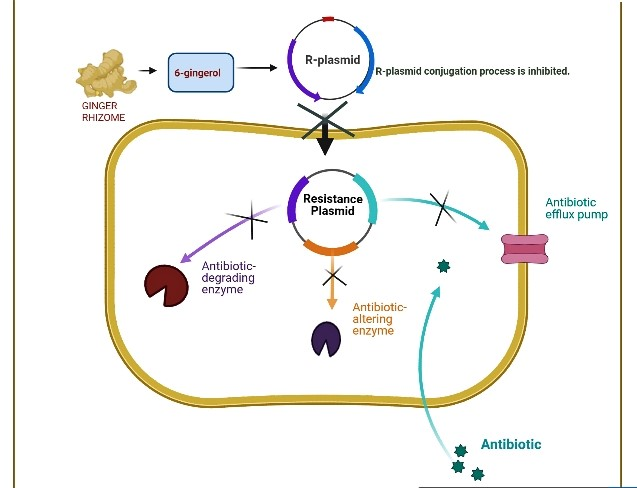
Figure 4: R-plasmid conjugation process inhibited by ginger
Ethanolic extract of ginger rhizome was effective against MDR Bacillus spp., E. coli, P. aeruginosa. The DIZ values were 16 mm, 15 mm, and 14 mm against Bacillus spp., E. coli, P. aeruginosa, respectively. The MIC values ranged from 67- 75 μg/mL of crude ethanolic extracts of ginger rhizome (Karuppiah and Rajaram, 2012). Ginger extract has shown to be effective against Candida strains that were resistant to fluconazole. The MIC noted against C. albicans was 10 mg/mL (Aghazadeh et al., 2016).
The bioactive components present in the ginger are responsible for inhibiting pathogens. 6-gingerol of ginger is known to interfere with R-plasmid transfer ability. 6-gingerol and 6-shogaol interfere with the plasmid DNA transfer and replication process, thus causing the inhibition of bacterial conjugation and transfer of R- plasmid (Oyedemi et al., 2019). Like any other spice, it is necessary to study the antimicrobial effect of ginger against many other MDR human pathogens so that ginger can be used in commercial treatment.
Allium sativum (Garlic)
Allium sativum, commonly, known as garlic, is a bulb that belongs to the family Liliaceae (Patiño-Morales et al., 2021). It is a popular food spice worldwide specifically in southeast Asia and Italy. It is cultivated all over the world according to its vast consumption (Bhatwalkar et al., 2021). Mankind has used garlic for over 7000 years for medicinal purposes (Valenzuela-Gutiérrez et al., 2021). The wide use of A. sativum in household and traditional medicine is due to its numerous properties. It has been used against asthma, candidiasis, and cold (Adenola and Adeleke, 2021), moreover; it has shown effects against a high level of cholesterol, and hypertension (Magryś, Olender and Tchórzewska, 2021; Chan et al., 2020). The bioactive components present in garlic, responsible for its potent antimicrobial properties are organo-sulphure compounds, flavonoids, fatty acids, allicin (Haider et al., 2020). Allicin is the characteristic compound of garlic responsible for its odour on maceration (Jubair et al., 2021). Garlic has shown to be effective against these MDR human pathogens E. coli, P. aeruginosa, Proteus sp., S. aureus, Bacillus sp., Enterobacter sp. (Table 3).
When garlic ethanol extracts were used, the zones of the diameter of inhibition were 15 mm, 11 mm, 15 mm, 11 mm, 7.5 mm, 12.6 mm, and 13.5 mm against E. coli, Enterobacter sp. P. aeruginosa, Proteus sp., Klebsiella sp., S. aureus, Bacillus sp. respectively at MIC 50 μg/mL (Aziz, Salih and Hamachawash, 2019). Aqueous extract of garlic was effective against A. baumannii in doses of 5 and 10 mg/mL; four MDR strains showed DZI between 14 and 20 mm. The extract worked in a dose-dependent way. Ethanolic extract was more effective. According to the work of Bruns et al., (2017), A. sativum aqueous extract inhibited the efflux pump activity in E. coli cells harbouring the EmrD-3 efflux pump genes from Vibrio cholerae. A. sativum worked at MIC 20 mg/mL, while 10 mg/mL of A. sativum extract showed a modulatory effect to be direct upon EmrD-3 and 20 mg/mL had an indirect modulatory effect on the efflux pump.
Allicin is the compound responsible for its potent antimicrobial activity. Allicin inhibits various enzymes of microbes such as RNA polymerase, alcohol dehydrogenase, and DNA gyrase and also inhibits the DNA and protein synthesis, moreover, it also inhibits biofilm formation (Jubair et al., 2021). A. sativum also acts on efflux pumps and modulates their activities. These efflux pumps are one of the significant contributions in multiple drug resistance of microbes. Thus, the mechanism of allicin can be utilized to control MDR human pathogens by using A. sativum.
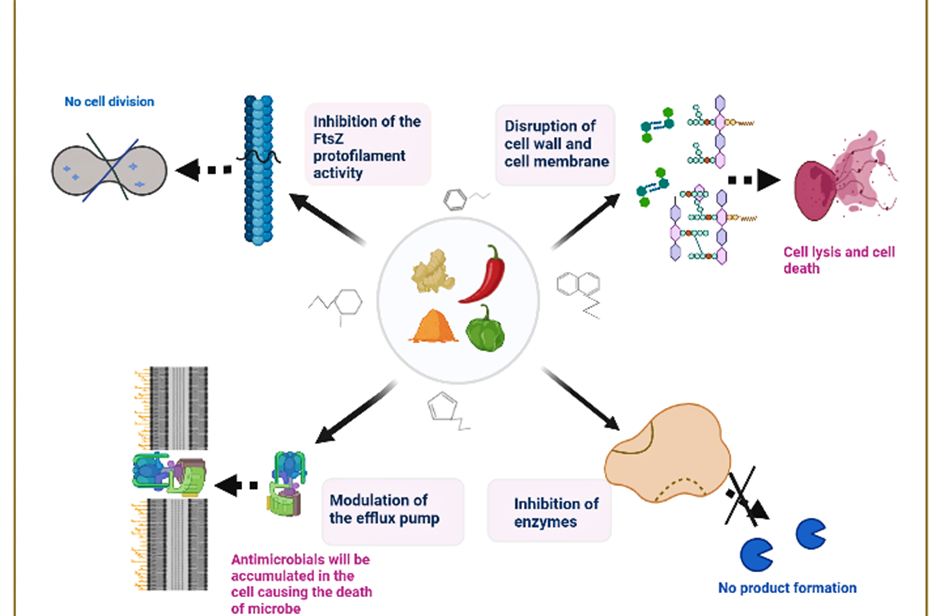
Figure 5: Results, Antimicrobial effects of spices against MDR human pathogens
Conclusion
Antimicrobial drug resistance has reached up-to an alarming level. With the misuse and overuse of antibiotics, multidrug resistant human pathogens have developed resistance mechanisms that cannot be treated with antibiotics and are one of the novel strategies to combat MDR human pathogens including using traditional plants and spices. Spices are known to possess phytochemicals that can directly inhibit the resistance mechanisms. ESKAPE is the group of bacteria that are at the top list of MDR human pathogens, to combat this group and other MDR human pathogens, spices such as turmeric, cumin, clove, cinnamon, ginger, black cumin, garlic, and many others have shown satisfactory results when used in the form of different extracts. These spices have various antimicrobial compounds such as allicin, thymoquinone, curcumin, cinnamaldehyde, and various phenolic compounds that act on microbial cell and inhibit the mechanism of resistance or cause its death by disrupting membrane structure, inhibiting enzymes, inhibiting cell division and interfering with biochemical pathways. The direct mechanism for controlling multidrug resistance by spices is a fortune in this era, but limited research has been done on it. So, there is a need of more research to check the effectiveness of spices on a large number of MDR human pathogens. Moreover, the synergistic effects of mentioned spices with other different antimicrobial compounds specifically with antibiotics should be checked.
Conflict of interest
The authors have no conflict of interest in any case.
Funding
No funding was received for this work.
References
Abdalla, W. E., & Abdallah, E. M. (2018). Antibacterial activity of ginger (Zingiber officinale Rosc.) rhizome: A mini review. International Journal of Pharmacognosy and Chinese Medicine, 2(4), Article 000142.
Abdallah, E. M. (2017). Black seed (Nigella sativa) as antimicrobial drug: A mini-review. Novel Approaches in Drug Designing and Development, 3(2), 1-5.
Adamczak, A., Ożarowski, M., & Karpiński, T. M. (2020). Curcumin, a natural antimicrobial agent with strain-specific activity. Pharmaceuticals, 13(7), Article 153. https://doi.org/10.3390/ph13070153.
Adenola, O. J. (2021). Determination of bioactive compounds and antimicrobial capabilities of purified Allium sativum extract to multidrug-resistant enteric bacteria.
Aghazadeh, M., Bialvaei, A. Z., Aghazadeh, M., Kabiri, F., Saliani, N., Yousefi, M., Eslami, H., & Kafil, H. S. (2016). Survey of the antibiofilm and antimicrobial effects of Zingiber officinale (in vitro study). Jundishapur Journal of Microbiology, 9(2), Article e30167. https://doi.org/10.17795/jjm-30167.
Ahmad, R. S., Hussain, M. B., Sultan, M. T., Arshad, M. S., Waheed, M., Shariati, M. A., Plygun, S., & Hashempur, M. H. (2020). Biochemistry, safety, pharmacological activities, and clinical applications of turmeric: A mechanistic review. Evidence-Based Complementary and Alternative Medicine, 2020, Article 7656919. https://doi.org/10.1155/2020/7656919.
Algammal, A. M., Hashem, H. R., Alfifi, K. J., Hetta, H. F., Sheraba, N. S., Ramadan, H., & El-Tarabili, R. M. (2021). atp D gene sequencing, multidrug resistance traits, virulence-determinants, and antimicrobial resistance genes of emerging XDR and MDR-Proteus mirabilis. Scientific reports, 11(1), 9476.
Algammal, A. M., Hetta, H. F., Elkelish, A., Alkhalifah, D. H. H., Hozzein, W. N., Batiha, G. E. S., El Nahhas, N., & Mabrok, M. A. (2020). Methicillin-resistant Staphylococcus aureus (MRSA): One Health perspective approach to the bacterium epidemiology, virulence factors, antibiotic resistance, and zoonotic impact. Infection and Drug Resistance, 13, 3255-3265. https://doi.org/10.2147/IDR.S272733.
Almaghrabi, M. K., Joseph, M. R., Assiry, M. M., & Hamid, M. E. (2018). Multidrug-resistant Acinetobacter baumannii: An emerging health threat in Aseer Region, Kingdom of Saudi Arabia. Canadian Journal of Infectious Diseases and Medical Microbiology, 2018, Article 9182747. https://doi.org/10.1155/2018/9182747.
Almatroudi, A., Khadri, H., Azam, M., Rahmani, A. H., Al Khaleefah, F. K., Khateef, R., Ansari, M. A., & Allemailem, K. S. (2020). Antibacterial, antibiofilm and anticancer activity of biologically synthesized silver nanoparticles using seed extract of Nigella sativa. Processes, 8(4), Article 388. https://doi.org/10.3390/pr8040388.
Anand, U., Nandy, S., Mundhra, A., Das, N., Pandey, D. K., & Dey, A. (2020). A review on antimicrobial botanicals, phytochemicals and natural resistance-modifying agents from Apocynaceae family: Possible therapeutic approaches against multidrug resistance in pathogenic microorganisms. Drug Resistance Updates, 51, Article 100695. https://doi.org/10.1016/j.drup.2020.100695.
Ashrafudoulla, M., Mizan, M. F. R., Ha, A. J. W., Park, S. H., & Ha, S. D. (2020). Antibacterial and antibiofilm mechanism of eugenol against antibiotic-resistant Vibrio parahaemolyticus. Food Microbiology, 91, Article 103500. https://doi.org/10.1016/j.fm.2020.103500.
Assis, L. M., Nedeljković, M., & Dessen, A. (2017). New strategies for targeting and treatment of multidrug-resistant Staphylococcus aureus. Drug Resistance Updates, 31, 1-14. https://doi.org/10.1016/j.drup.2017.06.001.
Awoke, T., Teka, B., Seman, A., Sebre, S., Yeshitela, B., Aseffa, A., Mihret, A., & Abebe, T. (2021). High prevalence of multidrug-resistant Klebsiella pneumoniae in a tertiary care hospital in Ethiopia. Antibiotics, 10(8), Article 1007. https://doi.org/10.3390/antibiotics10081007.
Azadpour, M., Azadpour, N., Bahmani, M., Hassanzadazar, H., Rafieian-Kopaei, M., & Naghdi, N. (2016). Antimicrobial effect of ginger (Zingiber officinale) and mallow (Malva sylvestris) hydroalcoholic extracts on four pathogenic bacteria. Der Pharmacia Lettre, 8(1), 181-187.
Aziz, S. A., Salih, T. F. M., & Hamachawash, K. A. (2019). The effect of Nigella sativa (black cumin seeds) and Zingiber officinale (ginger rhizome) essential oils on multidrug-resistant bacteria. Sulaimani Journal for Pure and Applied Sciences, 21(1), 9-20.
Bakal, S. N., Bereswill, S., & Heimesaat, M. M. (2017). Finding novel antibiotic substances from medicinal plants—Antimicrobial properties of Nigella sativa directed against multidrug-resistant bacteria. European Journal of Microbiology and Immunology, 7(1), 92-98. https://doi.org/10.1556/1886.2017.00007.
Basak, S., Singh, P., & Rajurkar, M. (2016). Multidrug-resistant and extensively drug-resistant bacteria: A study. Journal of Pathogens, 2016, Article 4065603. https://doi.org/10.1155/2016/4065603.
Benavides, J. A., Godreuil, S., Opazo-Capurro, A., Mahamat, O. O., Falcon, N., Oravcova, K., Streicker, D. G., & Shiva, C. (2022). Long-term maintenance of multidrug-resistant Escherichia coli carried by vampire bats and shared with livestock in Peru. Science of the Total Environment, 810, Article 152045. https://doi.org/10.1016/j.scitotenv.2021.152045.
Benavides, J. A., Godreuil, S., Opazo-Capurro, A., Mahamat, O. O., Falcon, N., Oravcova, K., Streicker, D. G., & Shiva, C. (2022). Long-term maintenance of multidrug-resistant Escherichia coli carried by vampire bats and shared with livestock in Peru. Science of the Total Environment, 810, Article 152045. https://doi.org/10.1016/j.scitotenv.2021.152045.
Betts, J. W., & Wareham, D. W. (2014). In vitro activity of curcumin in combination with epigallocatechin gallate (EGCG) versus multidrug-resistant Acinetobacter baumannii. BMC Microbiology, 14, Article 172. https://doi.org/10.1186/1471-2180-14-172.
Betts, J. W., Sharili, A. S., La Ragione, R. M., & Wareham, D. W. (2016). In vitro antibacterial activity of curcumin-polymyxin B combinations against multidrug-resistant bacteria associated with traumatic wound infections. Journal of Natural Products, 79(6), 1702-1706. https://doi.org/10.1021/acs.jnatprod.6b00227.
Bhatwalkar, S. B., Mondal, R., Krishna, S. B. N., Adam, J. K., Govender, P., & Anupam, R. (2021). Antibacterial properties of organosulfur compounds of garlic (Allium sativum). Frontiers in Microbiology, 12, Article 613077. https://doi.org/10.3389/fmicb.2021.613077.
Botelho, J., Grosso, F., & Peixe, L. (2019). Antibiotic resistance in Pseudomonas aeruginosa—Mechanisms, epidemiology and evolution. Drug Resistance Updates, 44, Article 100640. https://doi.org/10.1016/j.drup.2019.06.002.
Bruns, M. M., Kakarla, P., Floyd, J. T., Mukherjee, M. M., Ponce, R. C., Garcia, J. A., et al. (2017). Modulation of the multidrug efflux pump EmrD-3 from Vibrio cholerae by Allium sativum extract and the bioactive agent allyl sulfide plus synergistic enhancement of antimicrobial susceptibility by A. sativum extract. Archives of Microbiology, 199(8), 1103-1112. https://doi.org/10.1007/s00203-017-1384-5.
Catalano, A., Iacopetta, D., Ceramella, J., Scumaci, D., Giuzio, F., Saturnino, C., et al. (2022). Multidrug resistance (MDR): A widespread phenomenon in pharmacological therapies. Molecules, 27(3), Article 616. https://doi.org/10.3390/molecules27030616.
Chan, W. J. J., McLachlan, A. J., Luca, E. J., & Harnett, J. E. (2020). Garlic (Allium sativum L.) in the management of hypertension and dyslipidemia—A systematic review. Journal of Herbal Medicine, 19, Article 100292. https://doi.org/10.1016/j.hermed.2019.100292.
Chaudhary, V. (2019). Bio-control of multiple drug-resistant uropathogens using medicinal plant extracts. Asian Journal of Pharmaceutical and Clinical Research.
Chaudhry, Z., Khera, R. A., Hanif, M. A., Ayub, M. A., & Sumrra, S. H. (2020). Cumin. In Medicinal plants of South Asia (pp. 165-178). Elsevier. https://doi.org/10.1016/B978-0-08-102659-5.00009-2.
Dadgostar, P. (2019). Antimicrobial resistance: Implications and costs. Infection and Drug Resistance, 12, 3903-3910. https://doi.org/10.2147/IDR.S234610.
Dalli, M., Bekkouch, O., Azizi, S. E., Azghar, A., Gseyra, N., & Kim, B. (2021). Nigella sativa L. phytochemistry and pharmacological activities: A review (2019-2021). Biomolecules, 12(1), Article 20. https://doi.org/10.3390/biom12010020.
Dera, A. A., Ahmad, I., Rajagopalan, P., Al Shahrani, M., Saif, A., Alshahrani, M. Y., et al. (2021). Synergistic efficacies of thymoquinone and standard antibiotics against multidrug-resistant isolates. Saudi Medical Journal, 42(2), 196-202. https://doi.org/10.15537/smj.2021.42.2.20200640.
Dhanasekaran, S. (2019). Alteration of multidrug-resistance activities by ethanolic extracts of Nigella sativa against urinary pathogens. International Journal of Pharmacology, 15(8), 962-969. https://doi.org/10.3923/ijp.2019.962.969.
Dhasarathan, P., AlSalhi, M. S., Devanesan, S., Subbiah, J., Ranjitsingh, A. J. A., Binsalah, M., & Alfuraydi, A. A. (2021). Drug resistance in Candida albicans isolates and related changes in the structural domain of Mdr1 protein. Journal of Infection and Public Health, 14(12), 1848-1853. https://doi.org/10.1016/j.jiph.2021.09.018.
Dzotam, J. K., Simo, I. K., Bitchagno, G., Celik, I., Sandjo, L. P., Tane, P., & Kuete, V. (2018). In vitro antibacterial and antibiotic-modifying activity of crude extract, fractions and 3′,4′,7-trihydroxyflavone from Myristica fragrans Houtt. against multidrug-resistant Gram-negative enteric bacteria. BMC Complementary and Alternative Medicine, 18, Article 15. https://doi.org/10.1186/s12906-018-2074-9.
Eladli, M. G., Alharbi, N. S., Khaled, J. M., Kadaikunnan, S., Alobaidi, A. S., & Alyahya, S. A. (2019). Antibiotic-resistant Staphylococcus epidermidis isolated from patients and healthy students compared with antibiotic-resistant bacteria isolated from pasteurized milk. Saudi Journal of Biological Sciences, 26(6), 1285-1290. https://doi.org/10.1016/j.sjbs.2018.10.007.
El-Telbany, M., El-Didamony, G., Askora, A., Ariny, E., Abdallah, D., Connerton, I. F., & El-Shibiny, A. (2021). Bacteriophages to control multidrug-resistant Enterococcus faecalis infection of dental root canals. Microorganisms, 9(3), Article 517. https://doi.org/10.3390/microorganisms9030517.
Esmail, M. A. M., Abdulghany, H. M., & Khairy, R. M. (2019). Prevalence of multidrug-resistant Enterococcus faecalis in hospital-acquired surgical wound infections and bacteremia: Concomitant analysis of antimicrobial resistance genes. Infectious Diseases: Research and Treatment, 12, Article 1178633719882929. https://doi.org/10.1177/1178633719882929.
Etemadi, S., Barhaghi, M. S., Leylabadlo, H. E., Memar, M. Y., Mohammadi, A. B., & Ghotaslou, R. (2021). The synergistic effect of turmeric aqueous extract and chitosan against multidrug-resistant bacteria. New Microbes and New Infections, 41, Article 100861. https://doi.org/10.1016/j.nmni.2021.100861.
European Centre for Disease Prevention and Control. (2018). Multidrug-resistant Staphylococcus epidermidis. ECDC.
Farhadi, M., Ahanjan, M., Goli, H. R., Haghshenas, M. R., & Gholami, M. (2021). High frequency of multidrug-resistant (MDR) Klebsiella pneumoniae harboring several β-lactamase and integron genes collected from several hospitals in the north of Iran. Annals of Clinical Microbiology and Antimicrobials, 20(1), Article 70. https://doi.org/10.1186/s12941-021-00474-1.
Farman, M., Yasir, M., Al-Hindi, R. R., Farraj, S. A., Jiman-Fatani, A. A., Alawi, M., & Azhar, E. I. (2019). Genomic analysis of multidrug-resistant clinical Enterococcus faecalis isolates for antimicrobial resistance genes and virulence factors from the western region of Saudi Arabia. Antimicrobial Resistance & Infection Control, 8, Article 55. https://doi.org/10.1186/s13756-019-0508-4.
Haider, A., Ijaz, M., Ali, S., Haider, J., Imran, M., Majeed, H., Shahzadi, I., Ali, M. M., Khan, J. A., & Ikram, M. (2020). Green synthesized phytochemically (Zingiber officinale and Allium sativum) reduced nickel oxide nanoparticles confirmed bactericidal and catalytic potential. Nanoscale Research Letters, 15(1), Article 50. https://doi.org/10.1186/s11671-020-03285-z.
Heimesaat, M. M., Escher, U., Grunau, A., Kühl, A. A., & Bereswill, S. (2019). Multidrug-resistant Pseudomonas aeruginosa accelerates intestinal, extra-intestinal, and systemic inflammatory responses in human microbiota-associated mice with subacute ileitis. Frontiers in Immunology, 10, Article 49. https://doi.org/10.3389/fimmu.2019.00049.
Hewlings, S. J., & Kalman, D. S. (2017). Curcumin: A review of its effects on human health. Foods, 6(10), Article 92. https://doi.org/10.3390/foods6100092.
Hon, K., Liu, S., Camens, S., Bouras, G. S., Psaltis, A. J., Wormald, P. J., & Vreugde, S. (2022). APTC-EC-2A: A lytic phage targeting multidrug-resistant E. coli planktonic cells and biofilms. Microorganisms, 10(1), Article 102. https://doi.org/10.3390/microorganisms10010102.
Hossain, M. S., Sharfaraz, A., Dutta, A., Ahsan, A., Masud, M. A., Ahmed, I. A., et al. (2021). A review of ethnobotany, phytochemistry, antimicrobial pharmacology and toxicology of Nigella sativa L. Biomedicine & Pharmacotherapy, 143, Article 112182. https://doi.org/10.1016/j.biopha.2021.112182.
Idris, F. Z., & Habibu, U. A. (2021). In vitro antibacterial activity of cinnamon bark extracts on clinical multidrug-resistant (MDR) Staphylococcus aureus, Klebsiella pneumoniae, and Pseudomonas aeruginosa isolates. Bayero Journal of Pure and Applied Sciences, 14(1), 38-44.
Jahan, M., Abuhena, M. D., Azad, A. K., & Karim, M. M. (2018). In vitro antibacterial and antibiofilm activity of selected medicinal plants and spices extracts against multidrug-resistant Pseudomonas aeruginosa. Journal of Pharmacognosy and Phytochemistry, 7(3), 2114-2121.
Jiang, M., Chen, X., Liu, S., Zhang, Z., Li, N., Dong, C., et al. (2021). Epidemiological analysis of multidrug-resistant Acinetobacter baumannii isolates in a tertiary hospital over a 12-year period in China. Frontiers in Public Health, 9, Article 707435. https://doi.org/10.3389/fpubh.2021.707435.
Jiang, Y. L., Qiu, W., Zhou, X. D., Li, H., Lu, J. Z., Xu, H. H., Peng, X., Li, M. Y., Feng, M. Y., Cheng, L., & Ren, B. (2017). Quaternary ammonium-induced multidrug-tolerant Streptococcus mutans persisters elevate cariogenic virulence in vitro. International Journal of Oral Science, 9(12), Article e7. https://doi.org/10.1038/ijos.2017.48.
Jubair, N., Rajagopal, M., Chinnappan, S., Abdullah, N. B., & Fatima, A. (2021). Review on the antibacterial mechanism of plant-derived compounds against multidrug-resistant bacteria (MDR). Evidence-Based Complementary and Alternative Medicine, 2021, Article 3663315. https://doi.org/10.1155/2021/3663315.
Kakarla, P., Floyd, J., Mukherjee, M., Devireddy, A. R., Inupakutika, M. A., Ranweera, I., Kc, R., Shrestha, U., Cheeti, U. R., Willmon, T. M., & Adams, J. (2017). Inhibition of the multidrug efflux pump LmrS from Staphylococcus aureus by cumin spice Cuminum cyminum. Archives of Microbiology, 199(3), 465-474. https://doi.org/10.1007/s00203-016-1322-9.
Karuppiah, P., & Rajaram, S. (2012). Antibacterial effect of Allium sativum cloves and Zingiber officinale rhizomes against multiple-drug-resistant clinical pathogens. Asian Pacific Journal of Tropical Biomedicine, 2(8), 597-601. https://doi.org/10.1016/S2221-1691(12)60104-X.
Khare, T., Anand, U., Dey, A., Assaraf, Y. G., Chen, Z. S., Liu, Z., & Kumar, V. (2021). Exploring phytochemicals for combating antibiotic resistance in microbial pathogens. Frontiers in Pharmacology, 12, Article 720726. https://doi.org/10.3389/fphar.2021.720726.
Korytny, A., Riesenberg, K., Saidel-Odes, L., Schlaeffer, F., & Borer, A. (2016). Bloodstream infections caused by multidrug-resistant Proteus mirabilis: Epidemiology, risk factors and impact of multidrug resistance. Infectious Diseases, 48(6), 428-431. https://doi.org/10.3109/23744235.2015.1113555.
Koulenti, D., Fragkou, P. C., & Tsiodras, S. (2020). Editorial for special issue “Multidrug-resistant pathogens.” Microorganisms, 8(9), Article 1383. https://doi.org/10.3390/microorganisms8091383.
Księżopolska, E., & Gabaldón, T. (2018). Evolutionary emergence of drug resistance in Candida opportunistic pathogens. Genes, 9(9), Article 461. https://doi.org/10.3390/genes9090461.
Kunz Coyne, A. J., El Ghali, A., Holger, D., Rebold, N., & Rybak, M. J. (2022). Therapeutic strategies for emerging multidrug-resistant Pseudomonas aeruginosa. Infectious Diseases and Therapy, 11(2), 661-682. https://doi.org/10.1007/s40121-022-00591-2.
Lee, J. Y., Monk, I. R., Gonçalves da Silva, A., Seemann, T., Chua, K. Y., Kearns, A., Hill, R., Woodford, N., Bartels, M. D., Strommenger, B., & Laurent, F. (2018). Global spread of three multidrug-resistant lineages of Staphylococcus epidermidis. Nature Microbiology, 3(10), 1175-1185.
Li, Z., Peng, C., Zhang, G., Shen, Y., Zhang, Y., Liu, C., Liu, M., & Wang, F. (2022). Prevalence and characteristics of multidrug-resistant Proteus mirabilis from broiler farms in Shandong Province, China. Poultry Science, 101(4), Article 101710.
Liu, C. X. (2021). Overview on development of ASEAN traditional and herbal medicines. Chinese Herbal Medicines, 13(4), 441-450.
Magryś, A., Olender, A., & Tchórzewska, D. (2021). Antibacterial properties of Allium sativum L. against the most emerging multidrug-resistant bacteria and its synergy with antibiotics. Archives of Microbiology, 203(5), 2257-2268. https://doi.org/10.1007/s00203-021-02248-z.
Mans, D. R. A., & Irving, E. R. (2019). Anticancer activity of uncommon medicinal plants from the Republic of Suriname: Traditional claims, preclinical findings, and potential clinical applicability against cancer. In Pharmacognosy—Medicinal plants. IntechOpen. https://doi.org/10.5772/intechopen.82280.
Marchese, A., Barbieri, R., Diam Antis, C., Govoni, S., Zauli, E., Tommay, P., Nabavi, S. F., Daglia, M., & Nabavi, S. M. (2017). Antimicrobial activity of eugenol and essential oils containing eugenol: A mechanistic viewpoint. Critical Reviews in Microbiology. https://doi.org/10.1080/1040841X.2017.1295225.
Mathai, K., Somavarma, S., Shankar, K. A., Mohammad, S., Sibyl, S., & Dileep, K. (2017). Antimicrobial effect of ginger, garlic, honey, and lemon extracts on Streptococcus mutans. The Journal of Contemporary Dental Practice, 18(11), 1004-1008. https://doi.org/10.5005/jp-journals-10024-2165.
Mbaveng, A. T., & Kuete, V. (2017). Syzygium aromaticum. In V. Kuete (Ed.), Medicinal spices and vegetables from Africa: Therapeutic potential against metabolic, inflammatory, infectious and systemic diseases (pp. 611-625). Academic Press. https://doi.org/10.1016/B978-0-12-809286-6.00029-7.
Meade, E., Slattery, M. A., & Garvey, M. (2020). Bacteriocins, potent antimicrobial peptides and the fight against multidrug-resistant species: Resistance is futile? Antibiotics, 9(1), Article 32. https://doi.org/10.3390/antibiotics9010032.
Mekhemar, M., Hassan, Y., & Dörfer, C. (2020). Nigella sativa and thymoquinone: A natural blessing for periodontal therapy. Antioxidants, 9(12), Article 1260. https://doi.org/10.3390/antiox9121260.
Mollazadeh, H., & Hosseinzadeh, H. (2016). Cinnamon effects on metabolic syndrome: A review based on its mechanisms. Iranian Journal of Basic Medical Sciences, 19(12), 1258-1269. https://doi.org/10.22038/IJBMS.2016.7906.
Murphy, S. E., & Bicanic, T. (2021). Drug resistance and novel therapeutic approaches in invasive candidiasis. Frontiers in Cellular and Infection Microbiology, 11, Article 759408. https://doi.org/10.3389/fcimb.2021.759408.
Nabavi, S. F., Di Lorenzo, A., Izadi, M., Sobarzo-Sánchez, E., Daglia, M., & Nabavi, S. M. (2015). Antibacterial effects of cinnamon: From farm to food, cosmetic and pharmaceutical industries. Nutrients, 7(9), 7729-7748. https://doi.org/10.3390/nu7095359.
Nagasawa, R., Sato, T., Miki, T., Hasegawa, N., Noiri, Y., & Nakanishi, H. (2020). Potential risk of spreading resistance genes within extracellular-DNA-dependent biofilms of Streptococcus mutans in response to cell envelope stress induced by sub-MICs of bacitracin. Applied and Environmental Microbiology, 86(16), 1-18. https://doi.org/10.1128/AEM.00770-20.
Ojokoh, A. O. (2019). Antibacterial efficacy of Ocimum gratissimum on multidrug-resistant Staphylococcus aureus and Klebsiella pneumoniae isolated from clinical and environmental samples in Ondo State. International Journal of Medical Reviews and Case Reports, 3(3), 39-51. https://doi.org/10.35503/IJMLR.2018.0308.
Oyedemi, B. O., Nqoro, X., Mabinya, L. V., & Okoh, A. I. (2019). Capsaicin and gingerol analogues inhibit the growth of efflux-multidrug-resistant bacteria and R-plasmids’ conjugal transfer. Journal of Ethnopharmacology, 245, Article 111871. https://doi.org/10.1016/j.jep.2019.111871.
Pandey, S. (2017). Antibacterial and antifungal activities of Ocimum gratissimum L. International Journal of Pharmacy and Pharmaceutical Sciences, 9(12), 26-30. https://doi.org/10.22159/ijpps.2017v9i12.22678.
Pang, Z., Raudonis, R., Glick, B. R., Lin, T.-J., & Cheng, Z. (2019). Antibiotic resistance in Pseudomonas aeruginosa: Mechanisms and alternative therapeutic strategies. Biotechnology Advances, 37(1), 177-192. https://doi.org/10.1016/j.biotechadv.2018.11.013.
Patangia, D. V., Ryan, C. A., Dempsey, E., Ross, R. P., & Stanton, C. (2022). Vertical transfer of antibiotics and antibiotic-resistant strains across the mother-baby axis. Trends in Microbiology, 30(1), 47-56. https://doi.org/10.1016/j.tim.2021.05.006.
Patiño-Morales, C. C., Rojas-Ramos, M., Martínez-Castillo, M., Hernández-Cervantes, R., Rodríguez-Castañeda, F., & Vázquez-Lobo, A. (2022). Antitumor effects of natural compounds derived from Allium sativum on neuroblastoma: An overview. Antioxidants, 11(1), Article 48. https://doi.org/10.3390/antiox11010048.
Popa, L. I., Palanca, L., Moțiu, A., Toma, F., Mihăescu, G., Popa, M. I., & Catană, C. (2021). Multidrug-resistant Klebsiella pneumoniae ST101 clone survival chain from inpatients to hospital effluent after chlorine treatment. Frontiers in Microbiology, 11, Article 610296. https://doi.org/10.3389/fmicb.2020.610296.
Radhakrishnan, V. S., et al. (2015). Formulated natural plant extracts from nutmeg and cardamom show antifungal activity against clinical isolates of Candida albicans and affect cellular morphology and ergosterol. In Multidisciplinary approaches for studying and combating microbial pathogens (p. 85). Universal-Publishers.
Ribeiro-Santos, R., Andrade, M., de Melo, N. R., & Sanches-Silva, A. (2017). Revisiting an ancient spice with medicinal purposes: Cinnamon. Trends in Food Science & Technology, 62, 154-169. https://doi.org/10.1016/j.tifs.2017.02.011.
Rolfe, V., Conroy, E. J., Dimmock, J., & Rouse, P. (2020). Turmeric/curcumin and health outcomes: A meta-review of systematic reviews. European Journal of Integrative Medicine, 40, Article 101252. https://doi.org/10.1016/j.eujim.2020.101252.
Satchanska, G. (2022). Antibacterial activity of plant polyphenols. In Secondary metabolites. IntechOpen. https://doi.org/10.5772/intechopen.101664.
Sellamuthu, R. (2014). Eugenol. In Encyclopedia of toxicology (3rd ed., pp. 539-541). Elsevier. https://doi.org/10.1016/B978-0-12-386454-3.01125-8.
Shahrajabian, M. H., Sun, W., & Cheng, Q. (2019). Clinical aspects and health benefits of ginger (Zingiber officinale) in both traditional Chinese medicine and modern industry. Acta Agriculturae Scandinavica, Section B—Soil & Plant Science, 69(6), 546-556. https://doi.org/10.1080/09064710.2019.1606930.
Singh, Y. D., & Ningthoujam, R. (2025). Phytochemical constituents and therapeutic applications of spices: A consolidated review. Proceedings of the National Academy of Sciences, India, Section B: Biological Sciences, 1-21. https://doi.org/10.1007/s40011-025-01702-y.
Siviero, A., Gallo, E., Maggini, V., Gori, L., Mugelli, A., Firenzuoli, F., & Vannacci, A. (2015). Curcumin, a golden spice with a low bioavailability. Journal of Herbal Medicine, 5(2), 57-70. https://doi.org/10.1016/j.hermed.2015.03.001.
Srinivasan, K. (2018). Cumin (Cuminum cyminum) and black cumin (Nigella sativa) seeds: Traditional uses, chemical constituents, and nutraceutical effects. Food Quality and Safety, 2(1), 1-16. https://doi.org/10.1093/fqsafe/fyx031.
Sulieman, A. M. E., Abdallah, E. M., Alanazi, N. A., Ed-Dra, A., Jamal, A., Idriss, H., Alshammari, A. S., & Shommo, S. A. M. (2023). Spices as sustainable food preservatives: A comprehensive review of their antimicrobial potential. Pharmaceuticals, 16(10), Article 1451. https://doi.org/10.3390/ph16101451.
Tamokou, J. de D., Mbaveng, A. T., & Kuete, V. (2017). Antimicrobial activities of African medicinal spices and vegetables. In V. Kuete (Ed.), Medicinal spices and vegetables from Africa: Therapeutic potential against metabolic, inflammatory, infectious and systemic diseases (pp. 207-237). Academic Press. https://doi.org/10.1016/B978-0-12-809286-6.00008-X.
Uddin, T. M., Chakraborty, A. J., Khusro, A., Zidan, B. R. M., Mitra, S., Emran, T. B., Dhama, K., Ripon, M. K. H., Gajda, A. M., Hossain, M. J., & Koirala, N. (2021). Antibiotic resistance in microbes: History, mechanisms, therapeutic strategies and future prospects. Journal of Infection and Public Health, 14(12), 1750-1766. https://doi.org/10.1016/j.jiph.2021.10.020.
Valenzuela-Gutiérrez, R., Lago-Lestón, A., Vargas-Albores, F., Cicala, F., & Martínez-Porchas, M. (2021). Exploring the garlic (Allium sativum) properties for fish aquaculture. Fish Physiology and Biochemistry, 47(4), 1179-1198.
Vasconcelos, N. G., Croda, J., & Simionatto, S. (2018). Antibacterial mechanisms of cinnamon and its constituents: A review. Microbial Pathogenesis, 120, 198-203. https://doi.org/10.1016/j.micpath.2018.04.036.
Vestergaard, M., Frees, D., & Ingmer, H. (2019). Antibiotic resistance and the MRSA problem. Microbiology Spectrum, 7(2). https://doi.org/10.1128/microbiolspec.GPP3-0057-2018.
Vijayalakshmi, P. (2020). In vitro activity of natural antimicrobials against multidrug-resistant microorganisms isolated from pus samples. [Journal title unavailable], 10(3).
Weinberg, S. E., Villedieu, A., Bagdasarian, N., Karah, N., Teare, L., & Elamin, W. F. (2020). Control and management of multidrug resistant Acinetobacter baumannii: A review of the evidence and proposal of novel approaches. Infection Prevention in Practice, 2(3), 100077.
William, B., Rwenyonyi, C. M., Swedberg, G., & Kironde, F. (2012). Cotrimoxazole prophylaxis specifically selects for cotrimoxazole resistance in Streptococcus mutans and Streptococcus sobrinus with varied polymorphisms in the target genes folA and folP. International journal of microbiology, 2012(1), 916129.
Xu, Z., Li, Y., Li, X., Lei, L., Deng, Y., Cao, X., & Li, S. (2020). Antibiotic resistance and molecular characteristics of methicillin-resistant Staphylococcus epidermidis recovered from hospital personnel in China. Journal of Global Antimicrobial Resistance, 22, 195-201. https://doi.org/10.1016/j.jgar.2020.02.013.
Yadav, K., Prakash, S., Yadav, N. P., & Sah, R. S. (2015). Multi-drug resistance of bacterial isolates among dental caries patients. Janaki Medical College Journal of Medical Science, 3(1), 37-44.
Yassin, M. T., Mostafa, A. A. F., Al-Askar, A. A., & Alkhelaif, A. S. (2022). In vitro antimicrobial potency of Elettaria cardamomum ethanolic extract against multidrug resistant of food poisoning bacterial strains. Journal of King Saud University-Science, 34(6), 102167.
Yimer, E. M., Tuem, K. B., Karim, A., Ur-Rehman, N., & Anwar, F. (2019). Nigella sativa L. (black cumin): a promising natural remedy for wide range of illnesses. Evidence‐Based Complementary and Alternative Medicine, 2019(1), 1528635.
Zhang, D., Gan, R.-Y., Farha, A. K., Kim, G., Yang, Q.-Q., Shi, X.-M., Shi, C.-L., Luo, Q.-X., Xu, X.-B., Li, H.-B., & Corke, H. (2019). Discovery of antibacterial dietary spices that target antibiotic-resistant bacteria. Microorganisms, 7(6), Article 157. https://doi.org/10.3390/microorganisms7060157.