Pakistan Journal of Food Sciences
An official publication of the Pakistan Society of Food Scientists and Technologists (PSFST)

ISSN (Print): 1605-2552 | ISSN (Online): 2226-5899
Ensuring the safety, authenticity and quality of food is a growing global concern. This is due to increasing cases of food fraud, spoilage and contamination. Traditional sensory or physical methods are often insufficient for accurate detection of these issues. This review aims to explore the role of biochemical markers as reliable tools for the assessment of food quality and safety. Recent literature from the past five years was critically analyzed to evaluate the application of key biochemical markers. It includes biogenic amines, enzyme activities, allergenic proteins, nucleic acid sequences and lipid oxidation products. These biochemical markers are used to detect food contamination and degradation. Biochemical markers enable highly specific and sensitive detection of microbial, chemical and toxicological threats in food products. Advances in analytical techniques have enhanced their utility in identifying food adulteration and spoilage at molecular levels. The review also provides a comparative overview of these approaches, discussing their respective advantages and limitations. Understanding and implementing biochemical markers in food diagnostics can significantly improve the quality assurance systems. Their integration into regulatory and industrial frameworks is essential for advancing food safety standards and consumer protection in the evolving global food market.
Keywords: Food Safety, Contamination, Biochemical Markers, Pathogen detection
In recent years, the importance of food safety and quality has grown significantly due to increased global food trade, changing dietary patterns and a rise in food-related health issues. Regulatory agencies, producers and consumers, all place a high value on ensuring the authenticity, nutritional value and safety of food products (Afzaal et al., 2022a). The need for reliable, rapid and science-based tools for food evaluation arises due to the hike in food fraud, microbial contamination, chemical adulteration and spoilage (Erasmus et al., 2024).
Across the supply chain, biochemical markers can serve as promising indicators to reflect the real-time physiological, microbial and chemical state of food including microbial metabolites, enzyme activities, allergenic proteins, nucleic acid sequences and lipid oxidation products to monitor spoilage, contamination or adulteration (Kefi et al., 2023). They allow for non-invasive, sensitive and reproducible detection of food deterioration and hazards, thereby supporting quality control, regulatory compliance and consumer protection.
The aim of this review is to evaluate the role of biochemical markers critically in assessment of food quality and safety. It highlights the types of biochemical markers, their mechanisms of action, analytical techniques used for their detection and real-world applications in monitoring spoilage, pathogens, adulteration and nutritional status. Furthermore it also outlines the advantages, limitations and future directions of biochemical markers with an objective to provide an in-depth understanding of how these markers can be harnessed for improving food diagnostics and building a safer, transparent food system.
Proteins, nucleic acids or enzymatic activities that are found in our food, can be used as biochemical markers for quantitative analysis. These markers individually indicate a specific facet of food's authenticity and integrity (Afzaal et al., 2022a). In contrast to organoleptic analysis, these biochemical markers provide more accurate and thorough assessment of food quality and safety (Figure 1).
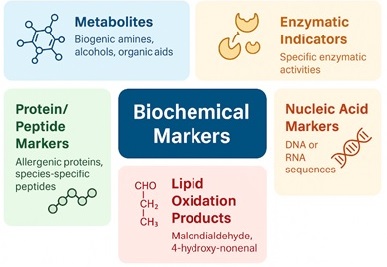
Figure 1: Types of Biochemical Markers in Food Quality Assessment
2.1 Metabolites: Metabolites are the molecules with usually a low molecular weight. These are the byproducts of metabolic processes in food and microbial cells. These metabolites can be biogenic amines (histamine, putrescine etc.), alcohols (ethanol, methanol etc.) and organic acids (lactic acid, acetic acid, citric acid etc.). These compounds might be produced as a result of microbial fermentation, microbial spoiling or improper storage of food items. For instance, high concentrations of biogenic amines mainly represent the microbial decarboxylation of amino acids which is linked to food spoilage. This may pose significant health hazards upon ingestion (Erasmus et al., 2024).
2.2 Enzymatic Indicators: There established markers are specific enzymatic activities to evaluate the ripening, processing, treatment and spoilage of food. For example, peroxidases indicate the heat treatment and processing in fruits and vegetables. On the other hand phosphatases are used to determine the effectiveness of pasteurization treatment in dairy products. Browning of food upon cutting is caused by the polyphenol oxidases that oxidize the phenolic compounds. This can be a used as an effective indicator to determine the beginning of food spoilage which impacts the nutritional value and aesthetic appeal (Afzaal et al., 2022a).
2.3 Protein/Peptide Markers: Allergenic proteins and species-specific peptides can be used to detect food fraud, allergen control and food purity. The detection of a specific allergenic protein for instance, β-lactoglobulin in milk, directly assesses the potential health hazard to allergic consumers (Erasmus et al., 2024) while species-specific peptides may help identify meat species in processed products that can help prevent fraud and mislabeling.
2.4 Nucleic Acid Markers: Nucleic acid markers can identify food-borne pathogens, spoilage causing microbes by DNA or RNA sequences, this is because of the high specificity and sensitivity of this technique. Quantitative PCR (qPCR) and Polymerase Chain Reaction (PCR) deduces quick and accurate identification of microbial contamination at the strain level of that specific specie (Kefi et al., 2023).
2.5 Lipid Oxidation Products: When polyunsaturated fatty acids are exposed to reactive oxygen species, malondialdehyde (MDA) and 4-hydroxy-nonenal (4-HNE) are produced. MDA and 4-HNE are the common byproducts of lipid peroxidation. The presence of these compounds indicate the onset of rancidity. This has a direct relationship to the decline in organoleptic qualities and nutritional values. The levels of MDA and 4-HNE serve as a reliable indicator to measure the oxidation levels and spoilage in fatty foods further providing help in determining the storage conditions and shelf life (Kefi et al., 2023).
3. Industrial Relevance of Biochemical Markers
Biochemical markers hold substantial industrial relevance as they enable real-time decision-making during processing, storage and distribution. For instance, fish and meat processors increasingly rely on biogenic amine thresholds to validate cold-chain integrity, while dairy industries use alkaline phosphatase and peroxidase assays as routine verification tools for pasteurization efficiency (Erasmus et al., 2024). Similarly, lipid oxidation markers such as MDA are being incorporated into HACCP monitoring programs to assess rancidity and oxidation in high-fat foods. Advances in portable biosensors have made on-site detection of these biochemical markers more feasible, improving traceability and operational efficiency in food production environments (Chen et al., 2023; Koyama et al., 2021). These markers not only support compliance with quality standards but also reduce economic losses by enabling early identification of spoilage, incorrect thermal treatment or adulteration (Figure 2).
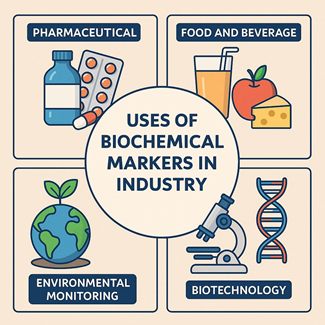
Figure 2: Uses of Biochemical Markers in Industry
4. Pathogen Detection Techniques:
The techniques of pathogen detection in food safety are revolutionized by biochemical markers. The key techniques include:
4.1 Polymerase Chain Reaction (PCR) and Quantitative PCR (qPCR): PCR provides qualitative detection, while qPCR quantifies the target genetic material. The data is early to detect, highly specific, sensitive and suitable. These molecular techniques help detect specific DNA/RNA sequences of pathogens such as Salmonella, Listeria and E. coli species. For detection of Listeria monocytogenes in soft cheeses, qPCR can be effectively used. (González-Barron & Butler, 2021).
4.2 Loop-Mediated Isothermal Amplification (LAMP): LAMP is a rapid, single-temperature nucleic acid amplification technique. It is used for the detection of bacterial/viral DNA in the food samples. It yields results in less than an hour thus eliminates the need for complex thermal cyclers. For the detection of Salmonella enterica in chicken meat, LAMP assays can be applied (Yamazaki et al., 2008).
4.3 Biosensors: These biosensors are ideal for on-site rapid testing. In such devices, biological recognition elements (e.g., antibodies, enzymes, aptamers) are used to bind pathogens. Presence of specific microbes is indicated as the binding event generates signals. These signals can be optical, electrochemical or colorimetric. To detect E. coli O157:H7 in ground beef, an electrochemical biosensor can be used (Ahmed et al., 2013).
4.4 Immunological Methods: Ezyme Linked Immunosorbant Assay (ELISA) is an immunological method. It uses specific antibodies to detect microbial toxins or surface proteins. Due to its accuracy, cost-effectiveness and compatibility with food matrices, it is widely used for high-throughput screening. ELISA is used on routine basis to detect Staphylococcus aureus enterotoxins in dairy products (Wang et al., 2020).
4.5 Next-Generation Sequencing (NGS): Whole DNA/RNA profile of a sample is sequenced that enables NGS for untargeted detection. It is useful especially for understanding the complete microbial profile of a food product and identifying unknown or emerging pathogens. To assess the microbial ecology and contamination sources in ready-to-eat salad mixes, NGS can be employed (Filippis et al., 2013).
4.6 Microarrays: For simultaneous detection of multiple pathogens, microarrays involve immobilization of hundreds of DNA probes onto a chip. When fluorescently labeled DNA or RNA from a food sample is applied, it binds (hybridizes) to the complementary probes. After washing off non-specific material, a scanner uses fluorescence signals to detect the binding. Each signal indicates the presence of a specific pathogen. This allows rapid, high-throughput, multiplexed pathogen detection but at the same time it is more complex and costly. DNA microarrays can be used to identify multiple bacterial contaminants in deli meats (Call et al., 2003).
Integrating the above mentioned pathogen detection techniques into food monitoring systems, enhances precision, enables rapid response to contamination and contributes significantly to public health safety. Table 1 enlists the primary methods, target analytes, key advantages and detection limits of High-Performance Liquid Chromatography (HPLC), Gas Chromatography-Mass Spectrometry (GC-MS), Quantitative Polymerase Chain Reaction (qPCR) Polymerase Chain Reaction (PCR), Loop-Mediated Isothermal Amplification (LAMP), Enzyme-Linked Immunosorbent Assay (ELISA), Biosensors, NGS (Nest generation sequencing) and DNA Microarrays for comparative analysis.
Table 1: Analytical Techniques used to Quantify Biochemical Markers in Food Safety and Quality Evaluation
| Method | Analyte/Target | Advantages | Limit of Detection | References |
| HPLC, GC-MS | Amines, organic acids, MDA | Quantitative, accurate | Nanomolar | (Du et al., 2020) |
| qPCR | Microbial genes | Highly specific, very sensitive | 1–10 copies | (Afzaal et al., 2022b) |
| PCR | Pathogen DNA | Rapid, sensitive, strain-specific | ~10–100 copies | (Afzaal et al., 2022b) |
| LAMP | Bacterial/viral DNA | Isothermal, rapid, no thermocycler required | ~10 copies | (Yamazaki et al., 2008) |
| ELISA | Toxins, allergens, microbial proteins | High-throughput, cost-effective | µg/mL | (Wang et al., 2020) |
| Biosensors | Pathogens, allergens, toxins | Real-time, on-site, user-friendly | ng/mL – µg/mL | (Ahmed et al., 2013; Chen et al., 2023; Koyama et al., 2021) |
| NGS | Complete microbial genome/metagenome | High-resolution, untargeted detection | ~1–10 copies (per genome) | (Filippis et al., 2013) |
| DNA Microarrays | Multiple pathogen genes | High-throughput, multiplexed | Variable (gene-dependent) | (Call et al., 2003) |
Biochemical markers are the reliable indicators when it comes to assess various aspects of food safety and quality. These indicators portray the underlying biochemical and microbial processes within a food matrix that are invisible to naked eye. The information drawn from these markers is essential for food industries, producers, regulators and consumers.
To assess the microbial food spoilage in fish and seafood products, the biogenic amines (Histamines, putrescine, cadaverine etc.) serve as the potential biochemical markers. When microbial decarboxylases react with free amino acids in unsanitary or poorly stored environments, these compounds are produced. Additionally, as microbial communities develop and catabolize food matrix components, the profile of volatile compounds such as alcohols, ketones and sulfur compounds evolve thus contributing to the unpleasant flavors and odors. Microbial growth, lipid oxidation and the disintegration of food components, enzymatic activities like phosphatases and peroxidases and oxidation products, particularly malondialdehyde, indicate the level of freshness and storage conditions (Aladhadh et al., 2024). Therefore, quantifying these compounds offers objective standards for evaluating shelf life and spoiling.
If found in food products, pathogenic microorganisms whether viruses or food-borne bacteria like Salmonella, Listeria monocytogenes or Escherichia coli O157:H7 can be extremely harmful to human health. Regardless of the viability of the microorganisms, whether they are alive, dormant or inactivated, Polymerase Chain Reaction (PCR) and Quantitative PCR (qPCR) enable the sensitive and precise detection of microbial DNA or RNA in food samples. These techniques amplify specific genetic sequences associated with pathogens or their toxin-producing genes, allowing for identification even at extremely low concentrations. Unlike traditional culture-based methods, PCR and qPCR do not rely on the ability of microbes to grow, which makes them particularly valuable for detecting pathogens that may be present in low numbers, stressed by processing conditions or rendered non-culturable. This molecular-level precision not only speeds up the diagnostic process but also significantly improves the reliability of food safety assessments by reducing false negatives and enabling early detection before spoilage or contamination becomes visually or sensorially apparent (Erasmus et al., 2024).These techniques strengthen food safety regulations and lower the risk of food-borne illnesses by enabling the quick, precise and high-throughput identification of pathogens by creating particular primer and probe sets against distinct microbial genes.
When confirming the purity of food, spotting fraud, adulteration or mislabeling, biochemical markers can be extremely useful tools. Some species-specific proteins serve as a reliable indicator to determine the species of meat, seafood products and thereof. This is possible because of the fact that they maintain their specific sequences even after cooking and processing. Genomic sequencing and DNA barcoding serve as advanced molecular tools to enhance the scrutiny of food authenticity, particularly in detecting species substitution and adulteration. DNA barcoding involves amplifying and sequencing a short, standardized region of the genome such as the mitochondrial cytochrome c oxidase I (COI) gene in animals, to identify the species present in a food product by comparing it to a reference database. Genomic sequencing, including whole-genome sequencing (WGS), provides even deeper resolution by analyzing the entire DNA content of a sample, making it possible to detect subtle genetic variations between closely related species. These approaches are especially useful in highly processed or mixed food items where morphological identification is impossible, helping prevent food fraud, ensure proper labeling and protect consumers from potential allergens or dietary restrictions. In this technique genetic profile of sample in question is cross-matched with a reference database (Afzaal et al., 2022a).
Metabolic compounds, enzymatic activities and secondary plant products are the biochemical components that reflect the fruit ripening, nutritional makeup and healthfulness. When fruit ripens, the changes in the ratio of sugars to organic acids, directly impacts the texture and flavor. Pectin methyl esterase and polygalacturonase is responsible for the breakdown of the cell wall components that results in the ripening and softening of the fruits. Vitamins, antioxidants and phytonutrient levels determine the nutritional value and healthfulness of the fruits (Aladhadh et al., 2024). The values of these biochemical components can be beneficial for the food producers and processors that will help them to optimize the quality of their product aligning with preferences of their consumers as well as in the reduction of their wastage.
Biochemical markers provide enormous benefits that are noteworthy to assess the safety and quality of food. The major strength of biochemical markers is their hypersensitivity and specificity as these are detectable even at nanogram level (one thousand-millionth of a gram) (Erasmus et al., 2024). Allergen traces and microbial genes that produce toxins occur at a minute level and such level of accuracy is really crucial to prevent significant health hazards. Biochemical markers reflect the current state of the food matrix being dynamic in nature these also portray the ongoing biochemical and microbial processes. This is because the formation or release of these compounds holds a direct relation with the microbial activity, oxidation, ripening, processing, adulteration etc.
These attributes make them more reliable than organoleptic analysis. The organoleptic or sensory evaluation usually depends on human senses. These are subject to bias and varies from individual to individual. Whether utilizing mass spectroscopy, enzyme assays or Polymerase Chain Reaction (PCR), these analytical techniques based detection requires tine sample for analysis are precise and economical as well. For on-site applications and high-throughput evaluation in food processing plants and supply chain industries, these techniques prove to be ideal since deduce the results in a span of few hours or even minutes. Keeping consumer protection, food production and storage efficiency in view, biochemical marker detection technique provides a major edge over the conventional techniques.
Numerous food matrices have provided ample evidence of the usefulness of biochemical markers in evaluating the safety and quality of food. These case studies demonstrate the usefulness and adaptability of biochemical markers in practical settings:
6.1 Biogenic Amines: Biogenic amines, such as histamine, putrescine and cadaverine are important markers of microbial spoilage in perishable goods like fish and dairy and these can be quantified using High-Performance Liquid Chromatography (HPLC) techniques (Aladhadh et al., 2024). HPLC is used to measure precisely the concentrations of these amines to help detect the early spoilage and thus separation of fresh from the deterioted products. This helps implementing the quality control protocols throughout the distribution and storage process.
6.2 Malondialdehyde (MDA): Lipid oxidation occurs in meats and processed foods that leads to lose its quality. Thiobarbituric Acid Reactive Substances (TBARS) test is a spectrophotometric assay. It is used to determine the levels of Malondialdehyde (MDA), which is a byproduct of lipid peroxidation that helps in evaluating the oxidative spoiling (Kefi et al., 2023). MDA levels are directly linked with rancidity, off flavors and loss of nutritional value. These assays are affordable and easy to use making them appropriate for routine monitoring in the meat processing factories.
6.3 Polyphenol Oxidase (PPO): Polyphenol oxidase activity-focused enzymatic assays are accurate markers of fruit and vegetable freshness and browning. Enzymatic browning is considered as a serious quality issue since it impacts the aesthetic appeal and consumer acceptance. The reason behind it is, PPO catalyzing the oxidation of phenolic substrates (Erasmus et al., 2024). PPO activity should be critically monitored in order to maintain the quality of the product and increasing its shelf-life. These enzymatic marker can help determine the temperature abuse, bruising while handling, storage or processing.
6.4 Allergenic Proteins: Mass spectrometry methods including Liquid Chromatography–Mass Spectrometry (LC-MS/MS) and Matrix-Assisted Laser Desorption/Ionization Time-of-Flight (MALDI-TOF) has made the allergenic proteins detection possible in intricate food matrices (Afzaal et al., 2022a). These analytical techniques identify allergens like peanut, milk and gluten proteins precisely helping identify the hidden allergenic ingredients in the processed foods. This can help prevent the health hazard in the vulnerable community providing protection against food fraud (Kumar et al., 2022).
Biochemical markers have enormous benefits but at the same time there are a few drawbacks that must also be considered. At times food processing, packaging and storage impacts the detection of the markers. Few markers, like allergenic proteins or microbial DNA may get damage due to thermal treatments like UHT, pasteurization or cooking. These processes denatures the proteins or breaks down the DNA. (Aladhadh et al., 2024). Similarly variable atmospheric packaging technique makes the measuring the freshness levels difficult, as it alters the enzymatic activities. Furthermore, intrinsic food components may interfere due to the complex composition of food matrices. For instance, food pigments may have an impact on fluorescence- or colorimetric-based biosensors and polyphenols and other natural antioxidants may obstruct spectrophotometric tests for lipid oxidation. To avoid false positive or negative results, testing protocol needs to be optimized and standardized along with the validated cut-off values for biochemical marker levels.
With the rising advancements in sector of technology there is an immense need for rapid, accurate and on-site food quality assessment. That needs seems to get fulfilled by the evolution in the field of biochemical marker research and its applications. The invention of biosensors using nanotechnology and the application of nanomaterials like graphene, carbon nanotubes, 2D materials (e.g. molybdenum disulfide) and quantum dots is one of the most exciting developments. The remarkable surface area, electrical conductivity and optical qualities of these products allow for the real-time, ultra-sensitive detection of biochemical markers with minute sample preparation (Erasmus et al., 2024). By using these nanomaterials and portable biosensors, the time between sampling and results can be shortened notably. Simultaneously, omics-based methodologies such as proteomics and metabolomics are revolutionizing the evaluation of food safety and quality by offering thorough biochemical fingerprints of food items. While proteomics profiles the entire protein complement, metabolomics examines the entire collection of small molecules (metabolites), which together reveal minute alterations linked to maturation, adulteration or spoiling (Afzaal et al., 2022a). Advanced computational tools like machine learning and multivariate statistics, which can interpret complex datasets to find new biomarkers and patterns of interest, are used in conjunction with these high-throughput, data-intensive techniques (Li et al., 2020; Kumar et al., 2022).
When combined, these developments hold the potential to improve the sensitivity, specificity and adaptability of conventional marker assays while overcoming their present drawbacks. In keeping with global trends toward smarter, more transparent food systems, they also create new opportunities for traceability, authenticity verification and personalized food quality monitoring.
To ensure the authenticity, quality and safety of food, the use of validated biochemical markers is emphasized by the regulatory frameworks globally. In fishery products, are set by Codex Alimentarius sets the maximum allowable histamine limits, this requires the application of chromatographic and biochemical marker-based methods for compliance testing purposes (Codex Alimentarius Commission, 2020). To monitor the hazards like pathogens, allergens and species adulteration, EFSA and the FDA are the regulatory bodies that endorse PCR, ELISA and mass spectrometry (U.S. Food and Drug Administration [FDA], 2022; European Food Safety Authority [EFSA], 2022). To prevent the fraudulent mislabeling of meat and seafood, PCR-based species identification is legally recognized in many regions. Food Allergen Labeling and Consumer Protection Act (FALCPA) mandates the use of validated protein-based assays that includes ELISA. Accreditation schemes including ISO/IEC 17025 further requires laboratories to employ the established and validated marker-based methods, reinforcing their role in official control testing, import/export verification and HACCP-based food safety management (British Standards Institution, 2017; Wang et al., 2024).
In the current context of evaluating the safety and quality of food, biochemical markers have become essential instruments. Many of the drawbacks of conventional sensory or culture-based techniques are addressed by their capacity to offer an unbiased, quick and trustworthy assessment of crucial parameters, including spoilage, authenticity, microbial contamination and toxin presence. These markers raise the accuracy and sensitivity of food safety monitoring by accurately reflecting the biochemical and molecular state of food products, safeguarding consumer health and promoting regulatory compliance. The integration of field-deployable, multi-analyte sensor platforms will help enable real-time, on-site food testing across the supply chain industry. Coupled with omics technologies like proteomics and metabolomics, this approach offers a systems-level understanding of food safety and quality. It enhances detection precision as well as supports the discovery of new markers and mechanisms of spoilage and adulteration. Continued innovation in biochemical markers, analytical methods and biosensor technology is crucial for advancing global food safety regulations and meeting the demand for transparent, science-based quality assurance in a complex food market.
Afzaal, M., Saeed, F., Hussain, M., Shahid, F., Siddeeg, A., & AL‐Farga, A. (2022a). Proteomics as a promising biomarker in food authentication, quality and safety: A review. Food Science & Nutrition, 10(7), 2333–2346.
Afzaal, M., Saeed, F., Hussain, M., Tufail, T., & Ateeq, H. (2022b). Recent advances in detection techniques of foodborne pathogens: A comprehensive review. Trends in Food Science and Technology, 128, 442–456.
Ahmed, M. U., Saaem, I., Wu, P. C., & Brown, A. S. (2013). Personalized diagnostics and biosensors: a review of the biology and technology needed for personalized medicine. Critical Reviews in Biotechnology, 34(2), 180–196.
Aladhadh, M., Binjawhar, D. N., Ebrahim, H. N. E.-D. A. E.-K., Radhi, K. S., Almatrafi, M., Fayad, E., Al‐Saman, M. A., & Elsanhoty, R. M. (2024). Investigation of Biogenic Amine Levels and Microbiological Activity as Quality Markers in Some Dairy and Fish Products in Food Markets in the Kingdom of Saudi Arabia. ACS Omega, 9(17), 19193–19202.
British Standards Institution. (2017). BS EN ISO/IEC 17025:2017: General requirements for the competence of testing and calibration laboratories.
Call, D. R., Borucki, M. K., & Loge, F. J. (2003). Detection of bacterial pathogens in environmental samples using DNA microarrays. Journal of Microbiological Methods, 53(2), 235–243. https://doi.org/10.1016/s0167-7012(03)00027-7
Chen, L., Zhao, X., & Lin, H. (2023). Electrochemical biosensors for on-site detection of foodborne pathogens and spoilage markers. TrAC Trends in Analytical Chemistry, 158, 116879.
Codex Alimentarius Commission. (2020). Standards for fish and fishery products (CX/FFP). Food and Agriculture Organization of the United Nations / World Health Organization.
Du, P., Tu, Z., Wang, H., Hu, Y., Zhang, J., & Zhong, B. (2020). Investigation of the effect of oxidation on the structure of β-lactoglobulin by high resolution mass spectrometry. Food Chemistry, 339, 127939.
Erasmus, S. W., Sohaib, M., Revilla, İ., Quintana, A. M. V., & Giancoli, S. J. (2024). Markers for meat provenance and authenticity with an account of its defining factors and quality characteristics – a review. Journal of the Science of Food and Agriculture, 104(12), 7027–7084.
European Food Safety Authority. (2022). Scientific opinion on the monitoring of histamine in fishery products. EFSA Journal, 20, 7215.
Filippis, F. D., Storia, A. L., Villani, F., & Ercolini, D. (2013). Exploring the Sources of Bacterial Spoilers in Beefsteaks by Culture-Independent High-Throughput Sequencing. PLoS ONE, 8(7). https://doi.org/10.1371/journal.pone.0070222
González-Barron, U., & Butler, F. (2021). Predictive modelling of Listeria monocytogenes detection in soft cheese using qPCR data. Food Microbiology, 94, 103650.
Kefi, B. B., Sdiri, C., Souf, I. B., Slimen, I. B., Larbi, M. B., Koumba, S., Martin, P., & M’Hamdi, N. (2023). Physicochemical Properties, Antioxidant Markers, and Meat Quality as Affected by Heat Stress: A Review. Molecules, 28(8), 3332.
Koyama, S., Hamada, S., Fujimoto, J., Nishimura, M., & Ohnishi, A. (2021). Recent trends in biosensors for food safety. Biosensors and Bioelectronics, 191, 113434.
Kumar, A., Singh, P., & Kumar, P. (2022). Application of proteomics in authentication and allergen detection in foods: A review. Journal of Food Science and Technology, 59, 2985–2997.
Li, Y., Chen, Q., & Zhao, L. (2020). Nanomaterial-based biosensors for food safety detection: A review. Food Analytical Methods, 13, 1837–1854.
Patel, N., Sharma, R., & Banerjee, S. (2024). VOC-based machine learning models for predicting spoilage in perishable foods. Food Control, 153, 110736.
U.S. Food and Drug Administration. (2022). Food allergen labeling and consumer protection act (FALCPA) guidance for industry. U.S. Department of Health and Human Services.
Wang, Y., Liu, C., & Zhou, X. (2024). CRISPR-Cas based nucleic acid detection in food safety. Biosensors, 14, 34.
Wang, Y., Wang, Y., Chen, Y., & Li, Y. (2020). Rapid detection of staphylococcal enterotoxins in milk using ELISA-based immunoassay. Journal of Dairy Science, 103, 1113–1122.
Wasiewska, L. A. (2022). Electrochemical biosensor for rapid detection of E. coli O157:H7 in ground beef. Biosensors and Bioelectronics, 201, 113938.
Yamazaki, W., Taguchi, M., Ishibashi, M., Kitagawa, M., & Misawa, N. (2008). Development of a loop-mediated isothermal amplification assay for sensitive and rapid detection of Salmonella enterica. FEMS Microbiology Letters, 286, 231–236.